Best Wet Cat Food That Supports Senior Cats’ Health and Comfort
As cats enter their senior years, nutrition becomes one of the most influential factors in maintaining long-term health and daily comfort. Choosing the Best Wet Cat Food is especially important for senior cats, as aging often brings reduced appetite, dental sensitivity, dehydration risk, and chronic health concerns. Wet food provides higher moisture content, softer texture, and enhanced palatability, making it ideal for older cats who struggle with dry kibble. When properly formulated, wet cat food supports hydration, digestion, muscle maintenance, and organ function, helping senior cats live healthier, more comfortable lives with sustained energy and vitality.
Why Wet Food Is Ideal for Senior Cats
Senior cats are more prone to dehydration due to a reduced thirst drive and declining kidney efficiency. Wet cat food naturally contains a high percentage of moisture, which supports hydration without forcing cats to drink more water. This is particularly beneficial for urinary tract and kidney health, both of which are common problem areas in older cats. Additionally, the soft texture of wet food is easier to chew and digest, making meals more enjoyable for cats with dental issues, missing teeth, or gum sensitivity. These factors make wet food a preferred choice for senior feline nutrition.
Nutritional Needs of Aging Cats
As cats age, their bodies process nutrients differently. Muscle mass may decrease, metabolism slows, and the immune system weakens. The best wet cat food for senior cats addresses these changes through balanced protein, controlled fat levels, and essential micronutrients. High-quality animal protein supports lean muscle retention, while moderate fat provides energy without promoting weight gain. Added vitamins, minerals, and antioxidants help strengthen immunity and support aging organs. A well-balanced wet food ensures senior cats receive complete nutrition even if they eat smaller portions.
Protein Digestibility and Muscle Support
Protein remains essential throughout a cat’s life, but digestibility becomes more important with age. Senior cats benefit from highly digestible animal-based proteins that provide essential amino acids without overloading the kidneys. Wet cat food formulations often use carefully selected protein sources that are gentle on digestion while still supporting muscle strength and mobility. Preserving lean muscle helps senior cats remain active, stable on their feet, and metabolically healthy, which contributes directly to longevity and quality of life.
Fat Balance and Energy Regulation
Older cats often experience reduced activity levels, making them susceptible to weight gain if fat intake is too high. Conversely, some senior cats lose weight due to illness or reduced appetite. The best wet cat food maintains a careful fat balance, delivering enough energy to prevent muscle wasting without encouraging excess fat storage. Healthy fats such as omega-3 and omega-6 fatty acids also support joint health, skin integrity, and coat condition, which often decline with age.
Hydration and Kidney Health Benefits
Kidney disease is one of the most common conditions affecting senior cats. Proper hydration plays a critical role in reducing kidney workload and supporting waste elimination. Wet cat food naturally increases fluid intake, helping maintain optimal urine concentration and reducing the risk of dehydration-related complications. Many senior-focused wet foods are also formulated with controlled phosphorus levels, which is beneficial for cats with early-stage kidney issues. This combination of moisture and mineral balance makes wet food a valuable dietary tool for kidney support.
For an in-depth evaluation of formulations specifically designed for older cats, this expert resource on Best Wet Cat Food provides detailed guidance on choosing nutritionally appropriate wet food options.
Digestive Health and Gut Support
Digestive sensitivity increases with age, and senior cats may experience constipation, diarrhea, or reduced nutrient absorption. Wet cat food is generally easier to digest than dry food, reducing strain on the gastrointestinal system. Many premium wet foods include natural fibers, prebiotics, and limited-ingredient recipes to support gut health. Improved digestion leads to better nutrient uptake, consistent energy levels, and improved stool quality, all of which contribute to overall comfort and well-being in senior cats.
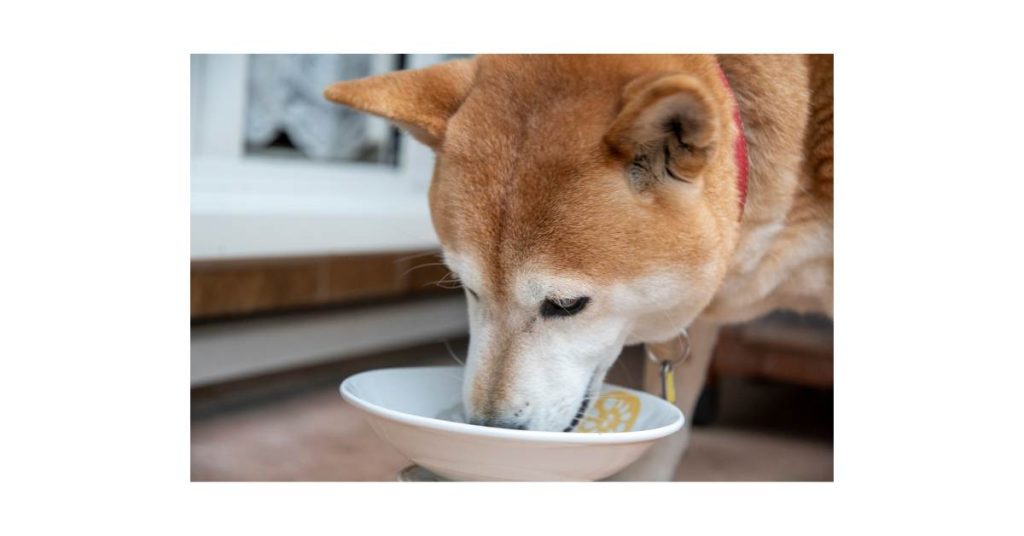
Palatability and Appetite Stimulation
Loss of appetite is a common issue in aging cats, often linked to reduced sense of smell, dental discomfort, or underlying illness. Wet cat food is typically more aromatic and flavorful than dry kibble, encouraging senior cats to eat consistently. Enhanced palatability ensures that cats receive adequate calories and nutrients, reducing the risk of malnutrition. Warming wet food slightly before serving can further increase aroma and acceptance, making mealtime more appealing for picky or frail seniors.
Weight Management in Senior Cats
Maintaining a healthy weight is critical for aging cats, as both obesity and underweight conditions pose serious health risks. Wet cat food allows for better portion control and satiety due to its moisture content and nutrient density. Senior-specific formulations are often calorie-conscious, helping cats maintain ideal body condition without feeling deprived. Regular monitoring of weight and body condition, combined with appropriate wet food portions, supports long-term metabolic health and mobility.
Veterinary nutrition experts frequently highlight the role of moisture-rich diets in senior feline care. According to this detailed analysis of Best Wet Cat Food, consistent feeding of high-quality wet food can significantly improve hydration status, appetite, and overall comfort in older cats.
Feeding Routine and Meal Frequency
Senior cats often benefit from smaller, more frequent meals rather than one or two large feedings. This approach supports digestion, stabilizes blood sugar levels, and encourages regular food intake. Wet food can be divided into multiple servings throughout the day to accommodate reduced appetite and digestive sensitivity. Maintaining a consistent feeding schedule also reduces stress and helps senior cats feel secure, which can positively influence eating behavior and overall health.
Transitioning to Wet Food for Seniors
If a cat has been eating dry food for most of its life, transitioning to wet food should be done gradually. A slow transition over seven to ten days allows the digestive system to adapt. Mixing small amounts of wet food with the existing diet and gradually increasing the proportion helps prevent gastrointestinal upset. During this period, observe changes in appetite, stool consistency, and energy levels to ensure the new diet is well tolerated.
Common Feeding Mistakes to Avoid
One common mistake is assuming that all wet foods are suitable for senior cats. Some formulas may be too high in fat or lack balanced minerals for aging needs. Another error is overfeeding due to the perception that wet food is less filling. Ignoring dental or medical conditions that affect eating can also hinder nutritional success. Selecting a wet food specifically formulated for senior cats helps avoid these issues by providing age-appropriate nutrition.
Long-Term Advantages of the Best Wet Cat Food
Feeding the right wet food offers long-term benefits that extend beyond basic nourishment. Improved hydration supports kidney and urinary health, while balanced nutrition enhances immunity, mobility, and cognitive function. Many owners notice improved coat condition, better digestion, and increased engagement in daily activities. These improvements collectively contribute to a higher quality of life and stronger emotional bond between senior cats and their caregivers.
Creating a Sustainable Senior Nutrition Plan
Senior cat nutrition should be adaptable and regularly reviewed. As health conditions evolve, dietary needs may change, requiring adjustments in formulation or portion size. Regular veterinary checkups and nutritional assessments ensure that the chosen wet food continues to meet your cat’s needs. The best wet cat food provides a reliable foundation for these adjustments, supporting health, comfort, and longevity throughout the senior years.